Zoonotic Diseases Concept Icon
As an embroidery designer with years of experience, I’ve seen thousands of designs come and go. Some are just placeholders, others are masterpieces. Zoonotic Diseases Concept Icon falls into the latter category—though it’s not for every project. This is a design that demands thoughtful application, especially when it comes to embroidery.
First Impressions: A Bold, Minimalist Statement
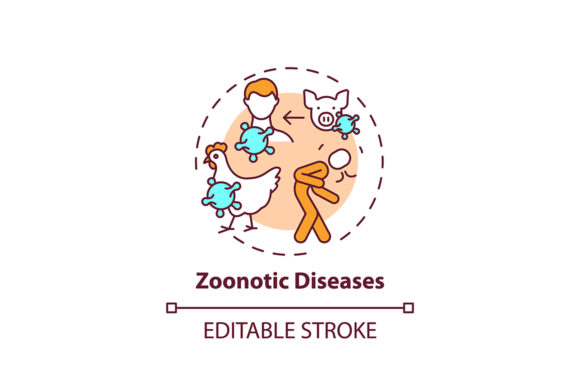
The first thing that stands out about Zoonotic Diseases Concept Icon is its clean, minimalist style. It’s a thin line illustration that captures the essence of zoonotic diseases—bird flu, swine influenza, infection from animals—with sharp, clear outlines. The vector-based design is simple but impactful, making it ideal for projects that need a subtle yet meaningful visual message.
The color palette is limited to RGB, which means it’s best suited for digital use rather than direct embroidery. However, the editable stroke feature gives designers flexibility if they want to adjust the design for different mediums or fabric types. The layout is straightforward, with a central icon surrounded by elements that represent the concept without overwhelming the viewer.
Real-World Use: Where Does This Design Fit?
Zoonotic Diseases Concept Icon isn’t your average logo or motif. It’s more of a thematic symbol, suitable for healthcare-related products, educational materials, or even awareness campaigns. For embroidery, it could work well on items like tote bags, sweatshirts, or aprons—especially those targeted at health professionals, science enthusiasts, or businesses with a public health focus.
Imagine a custom embroidered tote bag for a local clinic or a personalized sweatshirt for a university biology department. In these cases, the design adds a layer of meaning without being too overt. It’s a conversation starter, but not in a way that would turn off potential buyers.
Embroidery Project Fit
This design works best on flat, smooth fabrics where the details can be clearly seen. It’s not ideal for textured or stretchy materials, as the fine lines may get lost or distorted during stitching. For small hoop sizes, the design might require some adjustments to ensure all elements are visible and properly aligned.
When considering embroidery file compatibility, the ZIP format suggests it’s ready for most digital embroidery machines. However, without specific details on stitch count or file type, it’s wise to test the design on scrap fabric before committing to a full project.
Challenges in Embroidery: What to Watch For
One of the biggest challenges with Zoonotic Diseases Concept Icon is its level of detail. The thin lines and intricate shapes may not translate well to certain fabrics or hoop sizes. If you’re working with a tight hoop, some elements might be cut off or not fully stitched. Similarly, on dark or patterned fabrics, the design might not stand out as intended unless the thread color is carefully chosen.
Stitch density is another factor. If the design is too dense, it could cause puckering or fabric distortion, especially on lightweight or stretchy materials. For applique designs, this could lead to issues with the backing or stabilizer. It’s important to review the design’s structure and adjust the stitch settings accordingly.
Small Details Matter
Even though the design is minimal, the small details matter. Tiny corners, delicate lines, and thin strokes can be tricky to stitch accurately. If you're using this on baby clothes or other sensitive items, make sure the design won’t rub or wear off easily. For personal or commercial use, testing the design on multiple fabric types is essential.
Visual Appeal and Customer Perception
When it comes to customer reaction, Zoonotic Diseases Concept Icon is a polarizing design. It’s not something you’d put on a casual t-shirt for a general audience. But for niche markets—like medical professionals, educators, or science-themed shops—it can add value and authenticity. The design’s professional look helps build trust, especially when used in handmade products or custom apparel.
For Etsy sellers or small shop owners, this design could be a unique selling point. It’s not common to see such specific concepts in embroidery, so it could attract a specific crowd looking for meaningful, educational, or themed items. However, it’s important to market it correctly. A poorly explained product might confuse buyers or lead to returns.
Practical Designer Notes
Here are a few key tips for anyone planning to use Zoonotic Diseases Concept Icon in their embroidery projects:
- Test on scrap fabric first to see how the design looks and stitches.
- Check thread color contrast against the fabric to ensure visibility.
- Review stitch density to avoid puckering or distortion.
- Confirm hoop size to make sure all elements fit without being cropped.
- Inspect small details to ensure they’re clear and accurate.
- Test in black and white mockups to see how it looks without color.
- Compare light and dark backgrounds to determine the best version for your project.
- Use proper stabilizer for delicate or stretchy fabrics.
- Check licensing before selling finished items or digital products.
Final Thoughts: A Design for the Right Audience
Zoonotic Diseases Concept Icon is not a one-size-fits-all design. It’s best suited for niche markets, educational purposes, or specialized branding. For embroidery designers, it offers a unique opportunity to create meaningful, thought-provoking pieces that resonate with a specific audience.
If you’re a small business owner, craft seller, or creative entrepreneur, consider how this design aligns with your brand and target market. It’s not for every project, but when used correctly, it can elevate your work and add depth to your product offerings.
As with any embroidery file, always do your homework. Understand the limitations, test thoroughly, and make informed decisions. That way, you’ll ensure your finished product meets both your standards and your customers’ expectations.