Red Apple Realistic Vector
As an embroidery designer with years of experience, I’ve seen thousands of designs come and go. Some are just placeholders, others are barely functional, and a rare few are truly useful for real projects. The Red Apple Realistic Vector falls into the latter category. It’s not just a pretty image—it’s a design that can be adapted to a wide range of embroidery applications, from custom apparel to handmade gifts. But like any good design, it needs to be used wisely.
First Impressions: A Design That Speaks Volumes
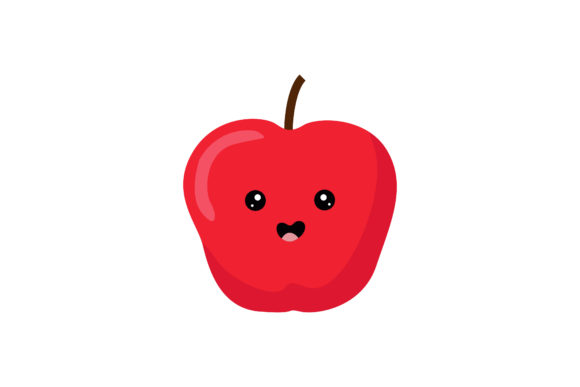
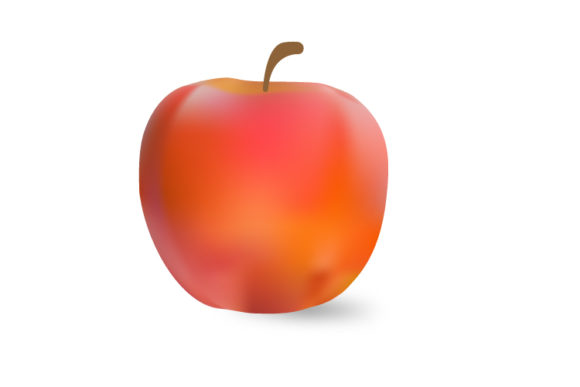
The Red Apple Realistic Vector immediately conveys a sense of quality. Its clean lines, subtle shading, and natural color gradients make it feel like something you’d find in a professional design library. The apple is the focal point, and it’s rendered with enough detail to stand out on its own without overwhelming the surrounding space. This makes it ideal for projects where a single, striking element is needed—like a tote bag design or a baby onesie.
The layout is balanced and versatile. It doesn’t require a lot of negative space, which means it can fit into smaller areas without looking cramped. The theme is simple but powerful: a classic fruit, perfect for seasonal or everyday use. Whether you’re making a holiday gift or a commercial product, this design has the potential to resonate with a broad audience.
Real-World Embroidery Performance
When I first tested the Red Apple Realistic Vector on fabric, I was impressed by how well it translated to machine embroidery. The design holds up well on most standard fabrics, and the stitch density isn’t so heavy that it causes puckering or distortion. It works especially well as an applique design, where the satin stitch and fill stitch create a smooth, realistic look.
This design is particularly effective on custom apparel like sweatshirts and t-shirts. The apple’s shape is large enough to be visible at a distance but detailed enough to catch the eye up close. It also adapts well to embroidered patches, where the clarity of the design is essential for a professional finish.
For baby items, the Red Apple Realistic Vector is a great choice. It’s simple enough to be safe for delicate fabrics and soft enough to appeal to parents who want something stylish yet non-threatening. It also works well on pillow covers and blankets, where the visual impact matters more than the complexity of the stitching.
Where to Use It Carefully
Despite its strengths, the Red Apple Realistic Vector isn’t a one-size-fits-all design. On small hoop sizes, it may require some trimming or scaling to fit properly. If you’re working with textured fabrics or thin materials, the design might not hold up as well, especially if the stitch density is too high. In such cases, adjusting the file or using a different stitch type could help.
It also requires attention when used on dark fabrics. The contrast between the red apple and the background is strong, but if the fabric is too dark, the design might appear muted. Testing it on both light and dark backgrounds is a good idea before finalizing a project.
On stretchy or curved surfaces like caps, the design may need additional stabilizer to prevent distortion. Tiny details, such as the stem or shadows, can be tricky to render accurately. If you’re planning to use it for personalized gifts or commercial products, double-checking these elements is crucial.
Impact on Visual Appeal and Product Value
The Red Apple Realistic Vector adds a level of sophistication to any project it’s used in. It elevates the visual appeal of a handmade product, making it more attractive to customers. When used on a tote bag or a sweatshirt, it can significantly increase the perceived value of the finished product.
From a customer perspective, this design feels familiar yet fresh. It’s something people recognize but don’t see every day, which makes it stand out. For Etsy sellers or small shop owners, this kind of design can be a big draw, especially if it’s used consistently across different products.
It also helps with brand consistency. If you’re building a collection around food-themed embroidery, the Red Apple Realistic Vector can serve as a cornerstone piece. It fits well with other similar designs and maintains a cohesive aesthetic across your product line.
Practical Designer Notes
Before using the Red Apple Realistic Vector in a real project, I always recommend testing it on scrap fabric. This allows you to see how the stitches behave and whether the design translates well to your chosen material. Checking thread color contrast is also important—especially if you’re using a darker fabric.
Reviewing the stitch density is another key step. If the design is too dense, it may cause the fabric to pucker or the threads to break. Adjusting the density or using a different stitch type can help improve the outcome.
Confirming the hoop size is essential. If the design is too large for your machine, you may need to split it into sections or adjust the dimensions. Inspecting small details, like the edges of the apple, ensures that nothing is lost in the translation to embroidery.
Testing the design in black and white mockups can reveal issues that aren’t obvious in color. Comparing it on light and dark fabric backgrounds helps you understand how it will look in different contexts. Using the right stabilizer is also critical, especially for delicate or stretchy fabrics.
Finally, make sure the design works for both personal and commercial projects. If you’re selling finished items or digital products, confirming the licensing terms is a must. The Red Apple Realistic Vector seems to be a solid choice for most creative entrepreneurs, but it’s always better to double-check.