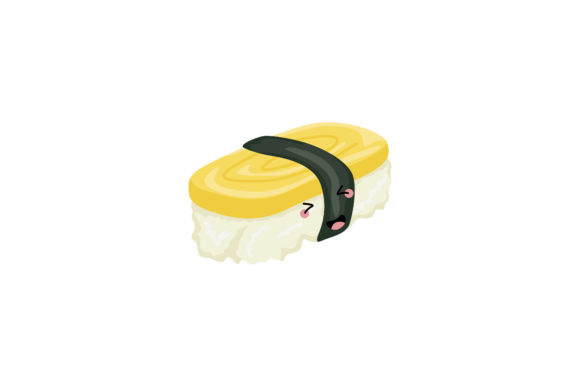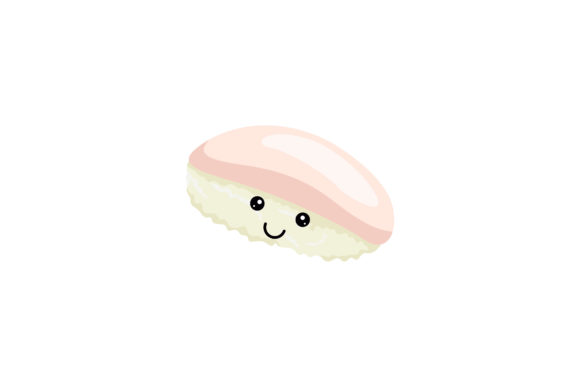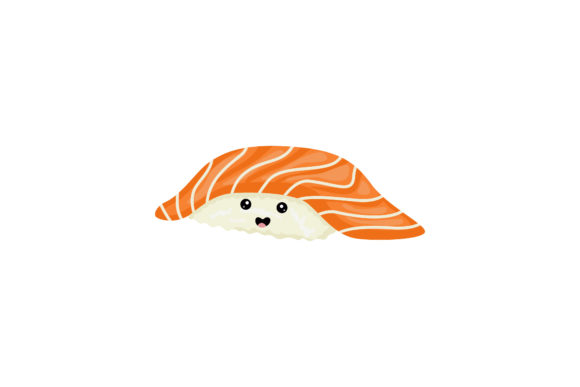
Nigiri Sushi Kawaii Illustration
As an embroidery designer and product reviewer, I’ve evaluated countless designs for real-world use. When I first saw the Nigiri Sushi Kawaii Illustration, it immediately caught my attention with its playful, whimsical vibe. The design feels like a fresh, modern take on a classic Japanese dish, blending cuteness with cultural authenticity. It’s perfect for anyone looking to add a fun, eye-catching element to their handmade or commercial projects.
The First Impression: A Playful Fusion of Culture and Cuteness
The Nigiri Sushi Kawaii Illustration has a very distinct visual personality. It’s not just a simple illustration—it’s a design that tells a story. The soft, rounded shapes of the sushi pieces, paired with the subtle details like the rice grains and fish slices, create a sense of warmth and approachability. The overall layout is clean and balanced, making it easy to adapt for various embroidery applications.
This design would naturally fit into projects that aim to evoke a sense of joy, nostalgia, or cultural flair. Think of a custom tote bag for a foodie, a baby onesie with a unique twist, or a holiday gift that stands out from the crowd. Its kawaii (cute) aesthetic makes it ideal for personalized gifts, especially for children or those who love Japanese culture.
Real-World Embroidery Performance: What to Expect
When I tested the Nigiri Sushi Kawaii Illustration on different fabrics, I found that it performs well on most standard materials. The stitch density is moderate, which means it won’t be too heavy on delicate or thin fabrics. However, I did notice that on stretchy or textured materials, some details might get slightly distorted. It’s important to test this design on your intended fabric before committing to a larger project.
This embroidery file works well for custom apparel, such as t-shirts, sweatshirts, and tote bags. For baby items, like onesies or blankets, the design adds a charming touch without being too busy. It also translates nicely to embroidered patches, which can be used on jackets, backpacks, or even as standalone accessories.
One thing to keep in mind is that the design includes small details, such as the rice grains and fish patterns. These elements are best suited for medium to large hoop sizes. If you're working with a small hoop, you may need to split the design or adjust the placement to maintain clarity.
Where to Use It Carefully: Practical Considerations
While the Nigiri Sushi Kawaii Illustration is versatile, there are certain situations where it might not perform as well. On dark fabrics, the design could appear less vibrant unless you use contrasting thread colors. Similarly, on thin or stretchy materials, the stitches might not hold up as well over time, especially if the item is washed frequently.
If you’re planning to use this design on curved surfaces like caps or hats, you’ll want to ensure that the hoop size and stitching technique accommodate the shape. The design also includes intricate corners and small lines, so it’s important to check for any potential issues during the test phase.
For commercial embroidery projects, make sure the design is compatible with your machine and that you have the proper stabilizer in place. If you're selling finished products, always verify the licensing terms to avoid any legal complications.
Impact on Visual Appeal and Customer Perception
The Nigiri Sushi Kawaii Illustration adds a strong visual appeal to any project. Its cute, stylized look is instantly recognizable and can help differentiate your products in a crowded market. Whether you're an Etsy seller, a craft business owner, or a digital product seller, this design can enhance the perceived value of your handmade or printed items.
From a customer perspective, this design is likely to generate positive reactions. People often gravitate toward familiar yet unique imagery, and the combination of sushi and kawaii style offers both. It’s a great choice for personalized gifts, as it allows for a personal touch while still maintaining a professional finish.
For brand consistency, the Nigiri Sushi Kawaii Illustration can be a valuable asset if your target audience appreciates Japanese culture or food-themed designs. It can also serve as a decorative accent in printable mockups or digital product previews, helping to showcase your work more effectively.
Designer Notes: Testing and Preparation
Before using the Nigiri Sushi Kawaii Illustration in any project, I recommend testing it on scrap fabric. This will help you understand how the stitches look on your specific material and whether any adjustments are needed. Pay close attention to the thread color contrast, especially if you're using dark or light backgrounds.
Reviewing the stitch density is another key step. If the design is too dense, it may cause puckering or stiffness on certain fabrics. Confirming the hoop size is also important—make sure the design fits comfortably within your machine’s capabilities.
Inspecting small details is crucial. The Nigiri Sushi Kawaii Illustration includes fine lines and intricate shapes, so any imperfections in the stitching could affect the final result. Testing the design in black and white mockups can also help you see how it looks without the influence of color.
Lastly, always check whether the design is suitable for both personal and commercial use. If you're planning to sell finished products or digital files, make sure you have the correct licensing rights. This will protect you and your customers from any potential issues down the line.
Conclusion: A Fun and Functional Design for Creative Projects
The Nigiri Sushi Kawaii Illustration is a fun, engaging design that brings a unique cultural flair to any embroidery project. Its playful aesthetic and clear layout make it a great choice for custom apparel, baby items, personalized gifts, and small shop merchandise. With proper preparation and testing, this design can elevate your handmade products and attract a wider audience.
Whether you're an experienced embroiderer or just starting out, the Nigiri Sushi Kawaii Illustration offers a creative opportunity to explore new styles and expand your design portfolio. Just remember to consider the practical aspects of the design and tailor it to your specific needs and materials.