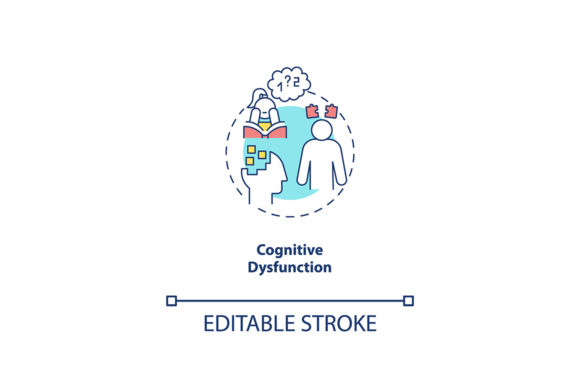
Cognitive Dysfunction Concept Icon
As an embroidery designer and product reviewer, I often find myself evaluating new designs with a critical eye—especially when they’re meant for real-world use. The Cognitive Dysfunction Concept Icon is one such design that caught my attention not just for its subject matter, but for how it might translate into actual embroidery projects.
First Impressions: A Design That Speaks Volumes
The Cognitive Dysfunction Concept Icon is a minimalist, thin-line illustration that conveys a sense of complexity through simplicity. Its clean lines and subtle details make it immediately recognizable as a symbol of cognitive challenges—whether it’s memory issues, attention difficulties, or something like multiple sclerosis.
The layout is straightforward, with a clear visual hierarchy that doesn’t overwhelm the viewer. It’s ideal for projects where subtlety matters, such as personalized gifts, handmade items, or branding elements that need to be both meaningful and professional. The design feels modern, which makes it versatile across different styles and applications.
This icon would fit well on custom apparel, baby items, or even as part of a larger embroidery project that focuses on health awareness or mental wellness themes.
Real-World Embroidery Use Cases
When considering the Cognitive Dysfunction Concept Icon, I imagine it being used on a variety of products. For instance, a tote bag design for a small shop or an Etsy seller could benefit from this icon, especially if the brand focuses on wellness, mental health, or support for chronic conditions.
On a sweatshirt or t-shirt, the icon would serve as a conversation starter while maintaining a professional look. It could also be used on embroidered patches, aprons, or even pillow covers for home decor. The design’s simplicity allows it to blend seamlessly into different styles without clashing.
For baby items, the icon might be too abstract, but it could work well as a subtle motif on a onesie or blanket, especially if the parent wants to express a personal connection to the theme.
Where to Be Cautious
While the Cognitive Dysfunction Concept Icon is visually appealing, there are some limitations to consider. Its fine lines and delicate details may not hold up well on small hoop sizes. If you're working with a limited space, this design might become too cramped or lose its clarity.
Textured fabrics or stretchy materials could also pose a challenge. The icon’s thin outline might get distorted or lost in the fabric’s grain. Similarly, on dark fabrics, the design might not stand out unless you adjust thread colors accordingly.
If you plan to use this on curved surfaces like caps or hats, the design’s straight lines might not follow the curve as smoothly as needed. And for projects that require frequent washing, you’ll want to ensure the design is properly stabilized and stitched to avoid fading or distortion over time.
Impact on Visual Appeal and Customer Perception
The Cognitive Dysfunction Concept Icon adds a thoughtful touch to any embroidery project. It can elevate the perceived value of a handmade product by introducing a meaningful element that resonates with buyers. This is especially true for personalized gifts or items sold by craft businesses that focus on emotional or thematic content.
From a customer standpoint, the design might evoke empathy or understanding, which can strengthen the connection between the buyer and the product. However, it’s important to consider the audience. Not everyone will relate to the concept, so the design’s effectiveness depends on the context in which it’s used.
For commercial embroidery projects, the icon can be a great addition to branded merchandise, especially if the business aligns with health, wellness, or support initiatives. But for more general use, it might need a bit more explanation or pairing with other elements to ensure it communicates the intended message.
Practical Designer Notes
Before committing to the Cognitive Dysfunction Concept Icon, I recommend testing it on scrap fabric first. This will help you assess how the design looks in different thread colors and fabric types. Pay close attention to stitch density and whether the lines remain sharp after stitching.
Check the hoop size required for the design and make sure it fits your machine. If the design is too large, you might need to scale it down or break it into sections. Also, always use the right stabilizer to prevent puckering or distortion, especially on lightweight or stretchy fabrics.
Consider how the icon will appear in black and white mockups. Sometimes, the design might look different when printed or viewed without color. Compare it against both light and dark fabric backgrounds to ensure visibility and contrast.
Finally, review the licensing terms before using the design for commercial purposes. Make sure you have the rights to sell finished products or digital files, depending on your business model.
Final Thoughts
The Cognitive Dysfunction Concept Icon is a thoughtful, minimalist design that has potential in a variety of embroidery projects. Its clean lines and symbolic meaning make it a good fit for handmade products, personalized gifts, and commercial merchandise that aligns with health or wellness themes.
However, it’s not a one-size-fits-all solution. Its performance depends on factors like fabric type, hoop size, and the intended use. With careful consideration and proper testing, this icon can be a valuable addition to your design assets.