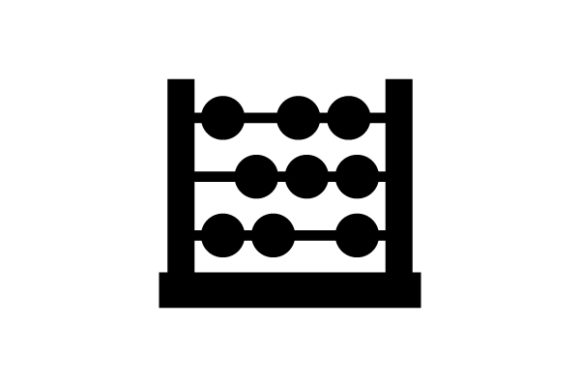
Abacus Glyph Icon Review
First Impressions of the Abacus Glyph Icon
The Abacus Glyph Icon immediately catches the eye with its clean, minimalist design. The icon features a simple yet elegant representation of an abacus, which evokes a sense of tradition, precision, and intellectualism. Its layout is balanced, with a clear focal point that makes it easy to recognize at a glance. The level of detail is just right—enough to be visually engaging without being overly complex.
This design feels like it belongs in a modern, professional setting. It has a timeless quality that could work well in both digital and physical embroidery projects. Whether used as a decorative element on a tote bag or as part of a custom sweatshirt, the Abacus Glyph Icon adds a touch of sophistication and purpose.
Real-Life Use Cases for the Abacus Glyph Icon
Imagine you're preparing a custom embroidered tote bag for a client who runs a small educational supply store. The Abacus Glyph Icon would be a perfect fit—its design aligns with the theme of learning and intellectual growth. When stitched onto a cotton canvas tote, the icon stands out clearly, making it an appealing addition to the product.
It also works well on baby items, such as onesies or burp cloths. The simplicity of the design ensures it doesn't overwhelm the delicate nature of baby clothing, while still offering a unique and meaningful touch. For holiday gifts, the Abacus Glyph Icon can be used on pillow covers or aprons, giving a subtle nod to the season without being too overt.
As an embroidery designer, I appreciate how versatile this icon is. It can serve as a standalone design or be combined with other elements to create a more intricate composition. Its adaptability makes it a valuable asset for any craft business or Etsy seller looking to offer high-quality, thoughtful designs.
Performance in Different Embroidery Situations
The Abacus Glyph Icon performs well in most standard embroidery scenarios. On flat, smooth fabrics like cotton or polyester blends, it stitches cleanly with minimal issues. The design’s relatively low stitch count means it won’t cause excessive wear on the fabric, making it suitable for frequent use.
However, there are some situations where caution is needed. On small hoop sizes, the design may require careful placement to ensure all elements are properly stitched. Textured fabrics, such as denim or canvas, can sometimes affect the clarity of the icon, especially if the stitch density is too high. In such cases, adjusting the stabilizer and thread color can help improve the final appearance.
On thin or stretchy fabrics, the design might not hold up as well. It’s important to test the icon on scrap fabric before committing to a larger project. Similarly, on dark fabrics, the contrast between the design and the background should be carefully considered to avoid a washed-out look.
Considerations for Different Fabric Types and Projects
When using the Abacus Glyph Icon on layered garments or curved surfaces like caps, the design may need slight modifications to accommodate the shape. This is especially true for areas with tight curves or seams, where the icon might appear distorted if not properly adjusted.
For products that will be washed frequently, such as tea towels or kitchen linens, it's crucial to ensure the design is securely stitched and uses appropriate stabilizers. This helps maintain the integrity of the icon over time. In commercial embroidery projects, the design’s scalability and clarity are key factors in determining its effectiveness.
Impact on Visual Appeal and Customer Perception
The Abacus Glyph Icon enhances the visual appeal of any project it’s used on. Its clean lines and recognizable form make it stand out without being overwhelming. This can increase the perceived value of a handmade product, making it more attractive to potential buyers.
From a customer perspective, the icon adds a layer of meaning that can resonate with those who appreciate symbolism and craftsmanship. Whether it’s used as a personalized gift or a boutique product, the Abacus Glyph Icon contributes to a sense of professionalism and thoughtfulness.
For small shop owners and Etsy sellers, this design can be a great way to differentiate their offerings. It provides a unique, high-quality option that appeals to customers looking for something meaningful and well-crafted.
Practical Tips for Embroidery Designers
Before using the Abacus Glyph Icon in a real project, always test it on scrap fabric. This helps identify any potential issues with stitch density, thread color contrast, or fabric compatibility. Checking the design in black and white mockups can also reveal how it will look on different backgrounds.
Ensure the hoop size is appropriate for the design’s dimensions. If the design is too large for your machine’s hoop, consider breaking it into smaller sections or adjusting the scale. Inspecting small details, such as corners and edges, can prevent unexpected results during stitching.
Finally, confirm the licensing terms before using the design for commercial purposes. While the file formats provided (JPG, EPS, SVG) suggest it’s suitable for digital use, it’s always wise to double-check the terms to avoid any legal complications.